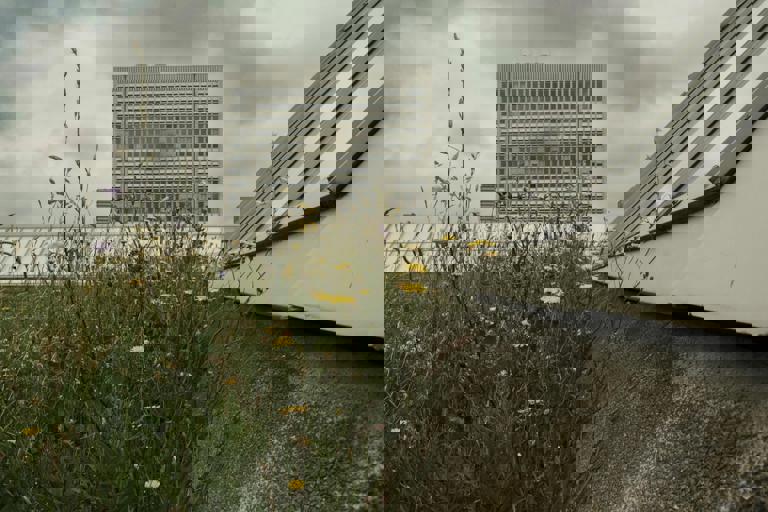
Perched atop a nondescript block of flats, a modest rooftop shed has undergone a remarkable transformation, culminating in an urban sanctuary that has become the talk of the neighbourhood. Former accountant Hilary James, 68, retired two years ago and redirected her energy into turning her rarely used rooftop outbuilding into a flourishing botanical retreat. What began as a simple hobby to pass the time has since blossomed into an impressive haven of biodiversity.
Hilary’s initial vision was modest. "I just wanted a little green space to escape the concrete and noise," she explains. But soon curiosity took hold, leading her to research rare succulents and drought-tolerant blooms perfectly suited to rooftop living. Each new plant introduced prompted a new idea, with the shed itself evolving into the centrepiece of a carefully curated miniature garden that now overflows with exotic colours and textures.
The process was anything but straightforward. The rooftop’s harsh exposure to wind and sun posed significant challenges, requiring Hilary to experiment with various planting methods and materials. She scoured gardening forums, sought advice at local nurseries, and even attended online horticultural workshops to learn about insulation, soil layering, and rainwater harvesting. Her hands-on approach quickly garnered attention from her neighbours, who found her dedication inspiring.
A neighbour, Daniel McBride, recalls observing the transformation from across the courtyard. "First it was a few pots, then suddenly this rainbow of blooms appeared. It was like watching a time-lapse of nature reclaiming a bit of the city," he says. Within months, roses, cacti, aloes, and maidenhair ferns intertwined, creating a patchwork of greenery and vibrant blossoms that stood out against the urban skyline.
The shed itself was retrofitted to serve as both a gardening studio and a shelter for delicate species during winter. Solar-powered lights and a small heater keep the plants healthy during the darker, colder months. Inside, wooden shelves brimming with propagation cuttings and seed trays are meticulously organised. According to Hilary, "Proper planning is essential for plant survival, especially on exposed rooftops where conditions can change rapidly."
Hilary’s rooftop garden has not only brought her joy but has also fostered a sense of community. She frequently invites neighbours to explore the oasis, sharing gardening tips and surplus cuttings. Several residents have followed her example, starting their own container gardens or window boxes. The building’s management committee has even discussed the possibility of turning part of the communal roof space into a shared green zone, inspired by Hilary’s achievement.
Beyond aesthetics, Hilary’s garden contributes valuable environmental benefits. The dense foliage helps cool her flat during heatwaves, and the judicious use of drought-resistant species reduces water demand. Pollinators, particularly bees and butterflies, are regular visitors now, a rarity in such heavily built-up areas. According to the Royal Horticultural Society, urban greening projects like Hilary’s can improve mental wellbeing and foster stronger community bonds, echoing her personal experience.
The botanical retreat has caught the attention of gardeners across the city via social media. Hilary began posting photos on Instagram, attracting followers who seek ideas for maximising small outdoor spaces. Her account, @skylinebotanica, now boasts over 2,000 followers. Some local schools have even reached out, asking her to give virtual talks on urban gardening to inspire students interested in ecology and sustainability.
One of the standout features of Hilary’s shed is her collection of rare succulents, which she sources from specialist nurseries around Europe. Varieties such as Aeonium ‘Zwartkop’ and Lithops, known as ‘living stones’, thrive in her rooftop sanctuary. "Each plant has its own story and requirements," Hilary notes. "It’s a continuous learning process. Caring for them connects me to different climates and cultures."
While Hilary remains modest about her horticultural prowess, she admits the project has deeply enriched her retirement. She spends several hours each day tending to her plants, journaling their growth, and experimenting with propagation techniques. To her, gardening is a therapeutic ritual and a source of ongoing wonder. "This garden has taught me patience and resilience," she says. "It’s rewarding to nurture life in the heart of the city."
The shed-turned-retreat is now a regular feature on neighbourhood walks. Families stroll by to admire the array of blossoms, and Hilary is always happy to answer questions or share a cutting. Local councillor Emma Walker praises the initiative: "Hilary’s rooftop garden demonstrates what’s possible with creativity and determination. Projects like hers remind us all of the potential hidden within our city’s underused spaces."
Looking ahead, Hilary has ambitious plans for her rooftop oasis. She is considering introducing vertical planters to further expand her growing capacity and trialling native wildflowers to support local wildlife. Above all, she hopes her experience will encourage others in the community to embrace small-scale greening, wherever they can. As she puts it, "Every square metre can be a haven—with a bit of care and imagination."