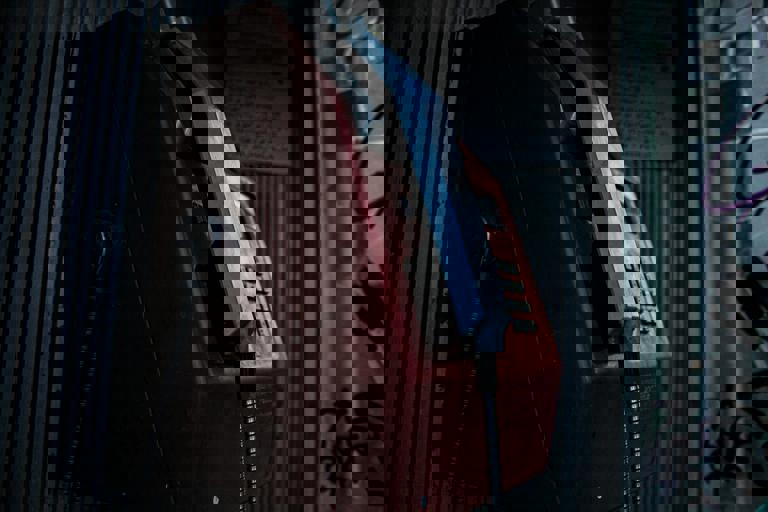
A striking transformation has taken place on a quiet high street, where a once-redundant red phone box has found a new purpose as a micro-library. Once a ubiquitous part of British life, these iconic phone booths have become largely obsolete in the age of smartphones. However, this recent initiative not only preserves a piece of cultural heritage but also fosters a spirit of community engagement among passersby, residents, and commuters.
The concept behind the micro-library is simple yet deeply impactful: anyone can open the door, borrow a book, or donate a volume for others to enjoy. Organisers hope this approach will inspire people of all ages to read more and to interact with their neighbours in meaningful ways. In an era where digital media often replaces face-to-face connection, such grassroots projects are cherished for reviving public interaction.
The transformation was spearheaded by a local community group with support from city council grants and a team of enthusiastic volunteers. Over several weeks, volunteers cleaned and refurbished the phone box, fitted it with bespoke wooden shelving, and curated an initial collection of books. Local carpenter Thomas Wilshaw, who built the shelves, said, “It’s rewarding to see the box being used again, and for such a positive purpose.”
Support from the community has been overwhelming. Within days of opening, the micro-library’s shelves were nearly full, with books ranging from contemporary thrillers to children’s stories and classic novels. “It’s heartening to see so many people stopping by,” remarked longtime resident Margaret Ellis. “I picked up a lovely poetry book and left behind my favourite gardening guide for someone else to enjoy.”
The micro-library operates on a give-and-take basis, utilising the honour system. There is no registration or formal borrowing record, but a small notebook inside the box invites users to jot a message or recommend a recent read. This informal structure encourages frequent visits and helps cultivate trust and responsibility among community members, especially young readers.
According to a 2023 survey by the Reading Agency, nearly one in four adults in the UK admits to reading infrequently. Micro-libraries like this one aim to make literature more accessible, particularly for those who may not have the time or means to visit a traditional library. The approachable, no-cost nature of the project has drawn attention from both media and local educators, who hope to see similar schemes replicated.
In keeping with the environmental ethos, the micro-library also promotes sustainability by giving books a second life. Instead of being discarded, paperback and hardback books find new readers, contributing to a circular, community-based exchange. “It’s wonderfully eco-friendly,” said volunteer organiser Priya Singh. “We reduce waste and share the joy of reading—all in one small, red box.”
To keep the project running smoothly, volunteers monitor the collection weekly, removing outdated or damaged books and replenishing the shelves with fresh titles. Donations are accepted at a nearby café, which also helps spread the word about the micro-library’s existence. Local schools have been invited to participate, encouraging students to bring in books and discover new stories during their daily commute.
Looking ahead, organisers hope the micro-library will become a permanent fixture and inspire similar revitalisations across other neighbourhoods. Plans are in discussion for regular themed displays and book swap events, further enriching local culture. As a symbol of community-driven creativity and literacy promotion, this reinvented phone box stands not only as a nod to the past but as an invitation to engage, share, and belong in the present day.